The Intersection between Non-Fungible Tokens (NFTs) and Copyright Law

The rise of non-fungible tokens (NFTs) has created new opportunities for creators to sell and transfer digital assets, while raising important questions about copyright ownership. An NFT is a unique digital token recorded on a blockchain, but owning the token does not automatically mean owning the copyright in the work associated with it. This article examines the intersection between NFTs and copyright, explaining what an NFT is, how it is bought and sold, the protection afforded by copyright and the challenges that arise when creative works are minted and traded as NFTs. It considers the need to distinguish ownership of the token from ownership of the creative rights in the underlying work.
Understanding Copyright Law through the Lens of Peter Nthei Mwoki & Another v Safaricom PLC & Another [2026]

The law on copyright protects the expression of an idea and not the idea itself. Copyright is automatic upon creation and fixation of an original work in a tangible form. This case discusses the principle of expression of an idea through the lens of the leading case of Peter Mwoki against Safaricom, in which the High Court awarded the former 1.4 billion shillings and a percentage on royalties.
Indefeasibility of Title, Equitable Interests, and the Limits of Registration: Re-examining Root of Title in Kenyan Land Law

A title is only as strong as the story behind it. Registration cannot cure a broken root title, and possession alone cannot perfect ownership without the law.
Debunking General Damages Claims in Construction & Projects-related Arbitration Disputes
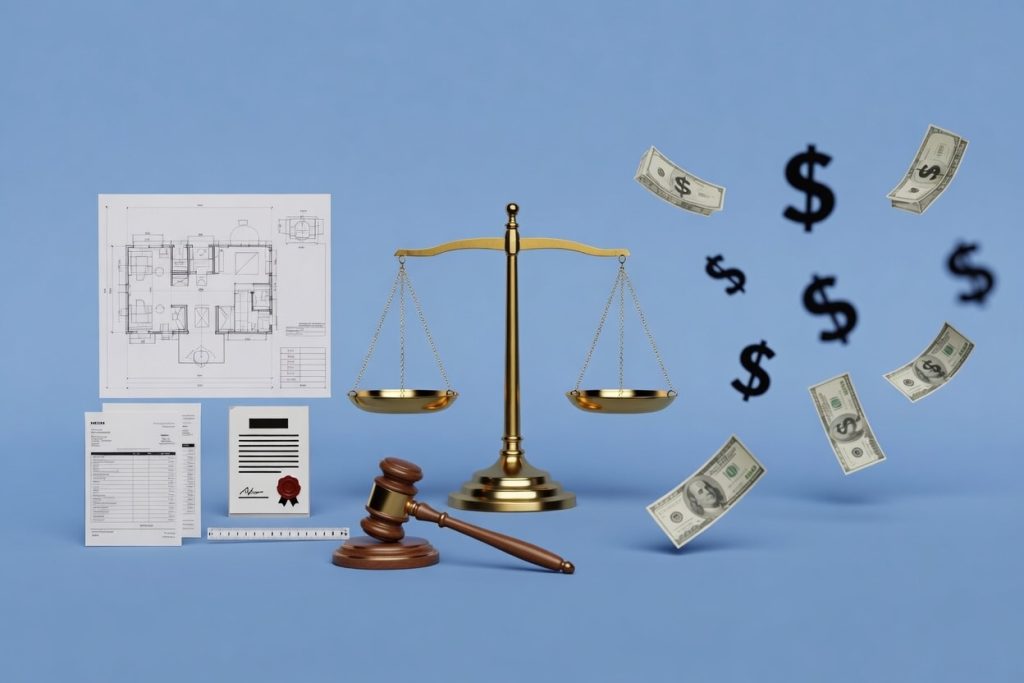
In construction disputes, there is a clear difference between actual money losses that can be proven and general damages for frustration or inconvenience.
However, some claimants now try to claim large general damages without proper evidence, which challenges the long-standing rule from Hadley v Baxendale.
Reflections from the Zambia Arbitration Week – The Two Percent Problem: Enforcing Dispute Board Decisions

In construction dispute resolution circles, one statistic is repeated so frequently that it has almost become a mantra. Dispute boards resolve approximately 98% of the disputes referred to them. It is an impressive figure and understandably so. The number features prominently in conference presentations, training materials, and advocacy for the dispute board model. But the remaining 2% deserves attention.
Rule 5 (2) (b) Applications and the Constitutional Threshold for Appeals to the Supreme Court under Article 163 (4) (a): A Commentary of the Supreme Court’s decision in Roseline Orimba Onduo v Maurice Otieno Ochola [KESC]
Article 163 (4) (a) permits appeals to the Supreme Court as of right only in cases involving the interpretation and application of the Constitution. Yet, the content of that threshold is often misunderstood, despite the Supreme Court settling it in previous cases. Equally contested is whether interlocutory orders under Rule 5 (2) (b) of the Court of Appeal Rules can warrant an appeal to the Supreme Court. The Supreme Court, once again, settled the law on these issues. This commentary answers these questions together with other pertinent issues in appellate litigation; such as the nature of negative orders and why they cannot be stayed.
The Digital Dictum: Freedom of Expression versus The Power to Censor
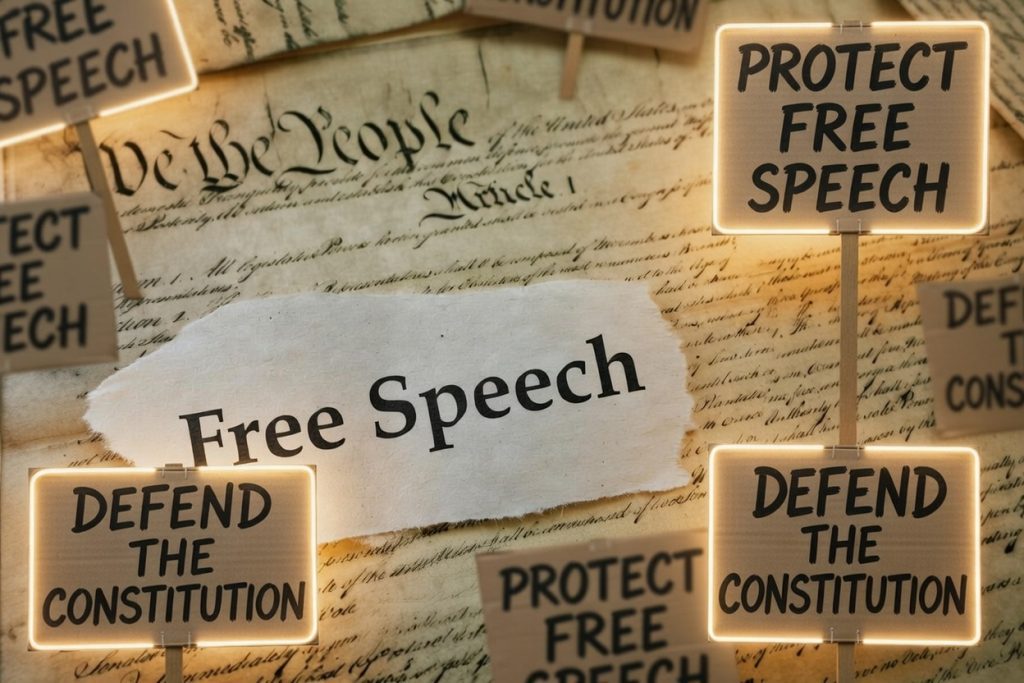
The interplay between statutory regulation and constitutional freedoms has become the primary battleground for Kenyan practitioners. My recent research into the Computer Misuse and Cybercrimes Act (CMCA) 2025, further enriched by insights from the Professional Law Institute (PLI) webinar featuring Hon. Justice (Dr.) Smokin Wanjala of the Supreme Court of Kenya and Linus Kaikai (Advocate of the High Court), reveals a shifting landscape where the bench must now balance enforcement with the sanctity of the Bill of Rights.
Attack on the Legal Profession or Curbing Corruption? Okiya Omtatah Okoiti and Dr. Magare Gikenyi v Council of Governors, AG & 70 Others(Nakuru High Court, January 2026) eKLR

The Nakuru High Court’s January 2026 conservatory orders barring public entities from engaging external advocates are unconstitutional, as they violate public procurement principles, the right to quality services, and freedom of legal representation, while disregarding the essential complementary role of external counsel in complex public matters.
Employee Negligence as a Ground for Termination: An Appraisal of the Court of Appeal Decision in Stephen Ndolo v Nairobi City Water & Sewerage Company [2026]

For a termination to be valid in law, it must be grounded on a fair and legitimate reason under the Employment Act 2007. Is institutional weakness an excuse for an employee’s negligence? Can it absolve an employee from employment obligations of trust and integrity? What about an absence of criminal charges? Do they render a termination obsolete? These questions were the bone of contention in this case.
Interlocutory Mandatory Injunctions: An Analysis of Court of Appeal Decision in Titus Sinkeen Terta v Susan Kaluki Nzioki [2026]

Can mandatory injunctions be granted at an interlocutory stage? If so, when should they be granted?
Contextualizing Tax Disputes: The Role of ADR and AJS in the Resolution of Tax Disputes

The three-day training focused on the Multidoor Approach to Access to Justice for the Commercial and Tax Division, the Tax Appeals Tribunal, and other justice sector actors