
Article by Mvoi Davis assisted by Prof. Kenneth Wyne Mutuma
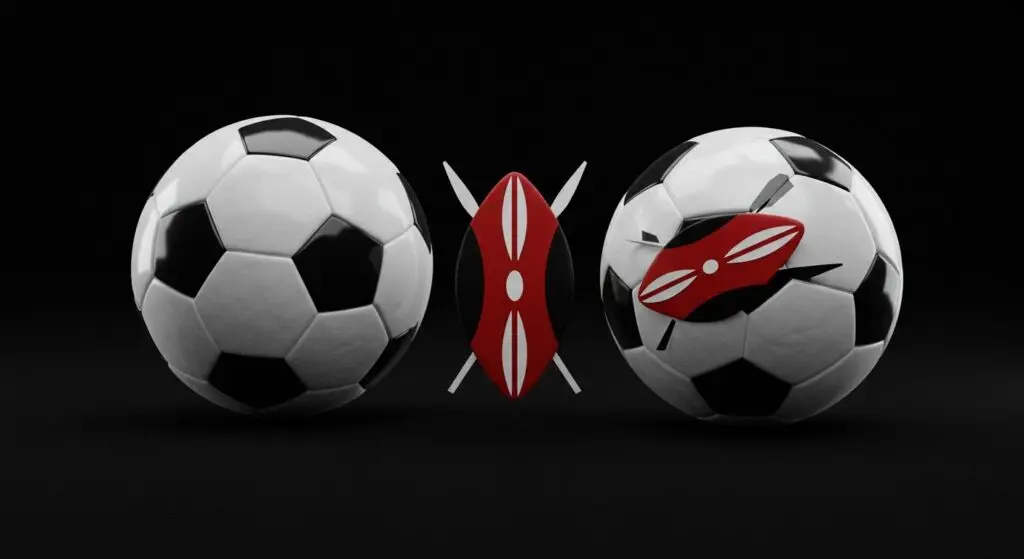
Football is a sport famed to be the most popular in the world, as they say the sport statistics don’t lie, it is famed for having over 4 billion fans and played in 230 countries in the world. The sport evokes emotion from the fans, players and everyone involved in the sport with each pass, tackle and goal scored. A sport synonymous with the likes of Cristiano Ronaldo, Lionel Messi, Neymar and closer to home the likes of Olunga, Muguna and Wanyama; yes that’s right. The Beautiful game is Football. Also referred by the Big brother state in the northwestern hemisphere of the equator as Soccer.
The beautiful game has evolved over the years and has become complex with the over-commercialization of the sport due to the large amounts of investments the sport attracts. Where there are various interests involved conflicts are bound to arise as such is the human nature.
Evolution of ADR in Football
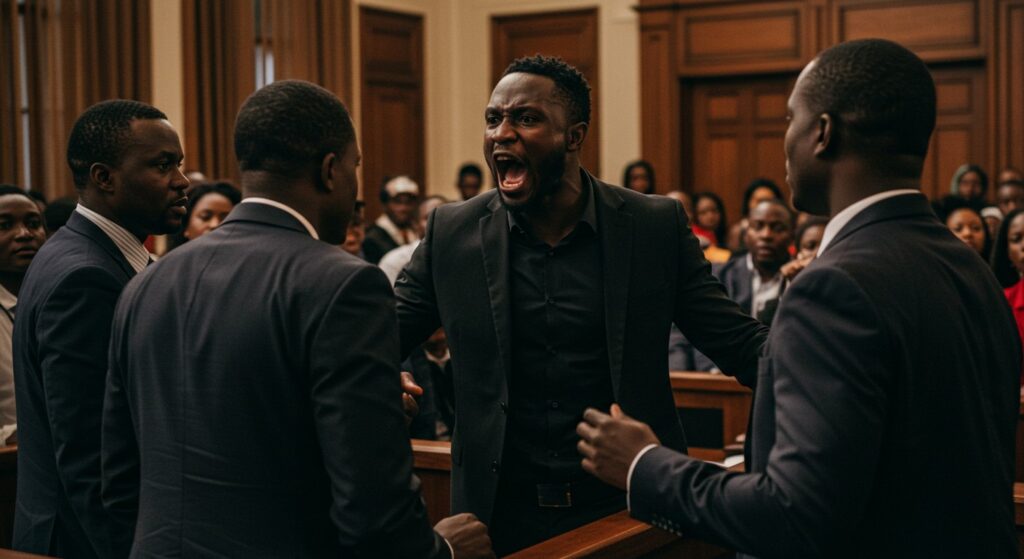
Disputes often arise when different parties, such as the Football Kenya Federation (FKF) and various clubs, have conflicting interests. Football has evolved beyond just a passion into a business, leading to numerous legal battles that remain unresolved in courts—not just in Kenya but globally.
These ongoing disputes have hindered the sport’s growth, slowing its development significantly. Additionally, the frequent legal battles have created negative publicity, making Kenyan football appear disorganized and burdened with legal challenges. As a result, the country has been placed under scrutiny in the sporting world.
In a developing country such as Kenya renowned for its brilliant minds and innovation, its quite sad that these lengthy legal battles still hang around the heads of parties such as the sword of Damocles. The sad reality is that for a country ranked 102 in the world according to recent FIFA ratings, the country’s growth of the sport over years has been so minimal. The cases which present themselves to the halls of court rooms revolve around player contract disputes, revenue share, just but to mention a few.
On the other hand, Mediation provides a solution if not wholly to the problem in which the sport faces to its development. ADR in its scope involves methods such as Mediation, Arbitration and Reconciliation. These methods shine a limelight to a through the thick firmament that surrounds the beautiful game in Kenya. To say the least the Grund Norm of the Country provides for alternative justice systems in article 159 2(c) of the 2010 constitution.
Mediation as a Solution for Football Disputes

ADR has a whole host of advantages to the traditional means of a court room. Through mediation, time and resources are greatly saved in a such a dynamic sport where fundamental decisions need to be made swiftly as is its fast-paced ecosystem. ADR solves various problems involved in the sport such as player contracts disputes not forgetting and revenue share conflicts involved with the lucrative sport business as earlier mentioned in a shorter and more efficient way. This saves the stress involved in lengthy legal battles in the cold court rooms which mostly end with a dissatisfaction to one of the parties.
By handpicking an ADR solution such as Mediation, it is an efficient method since its proliferation in the state has made quite a leap in reducing backlog of cases in the court rooms. The process is not only fast and cost effective but also highly confidential which only involves the parties. This unlike the traditional method of litigation brings about negative publicity to the parties which affects future business dealings casting a shadow of negativity to the parties. This in turn has led to the notion that the Kenyan sport doesn’t have the right pecuniary backing which is all but false. This has nonetheless demotivated very talented young players in the streets who have to give up their dreams.

It would be unfair to say that ADR could solve the dozens and dozens if not millions of hinderances affecting the sport in Kenya however one could wish that it could solve them all. All positives without negatives wouldn’t suit this article as the justice it requires. ADR has limitations which lie along the lines that it is yet to be a uniformity in decision making and there are yet to be legal procedures enacted to its purpose. As wishes are to horses, ADR enthusiasts can only hope that ADR is implemented in the sport.
Conclusion
In conclusion, ADR if harmonized in the sport could solve a lot of headaches lingering in the sport which have dragged in the corridors of ‘Sheria House’ for lengthy periods of time and have led to underdevelopment of the sport in the country. Of course, it would be unfair to state that ADR would be the solution to problems in the state, but one can surely dream. Maybe and just maybe the sport could grow with the incorporation of ADR. It is therefore the onus of ADR enthusiasts such as you, yes you, and I to push for the narrative of involvement of ADR in the sport for its betterment.
Lastly in the words of the French Mancunian Red Devil Legend Patrice Evra ‘I LOVE THIS GAME!!!’