
Article by Dr Ken Mutuma assisted by Becky Kibagendi
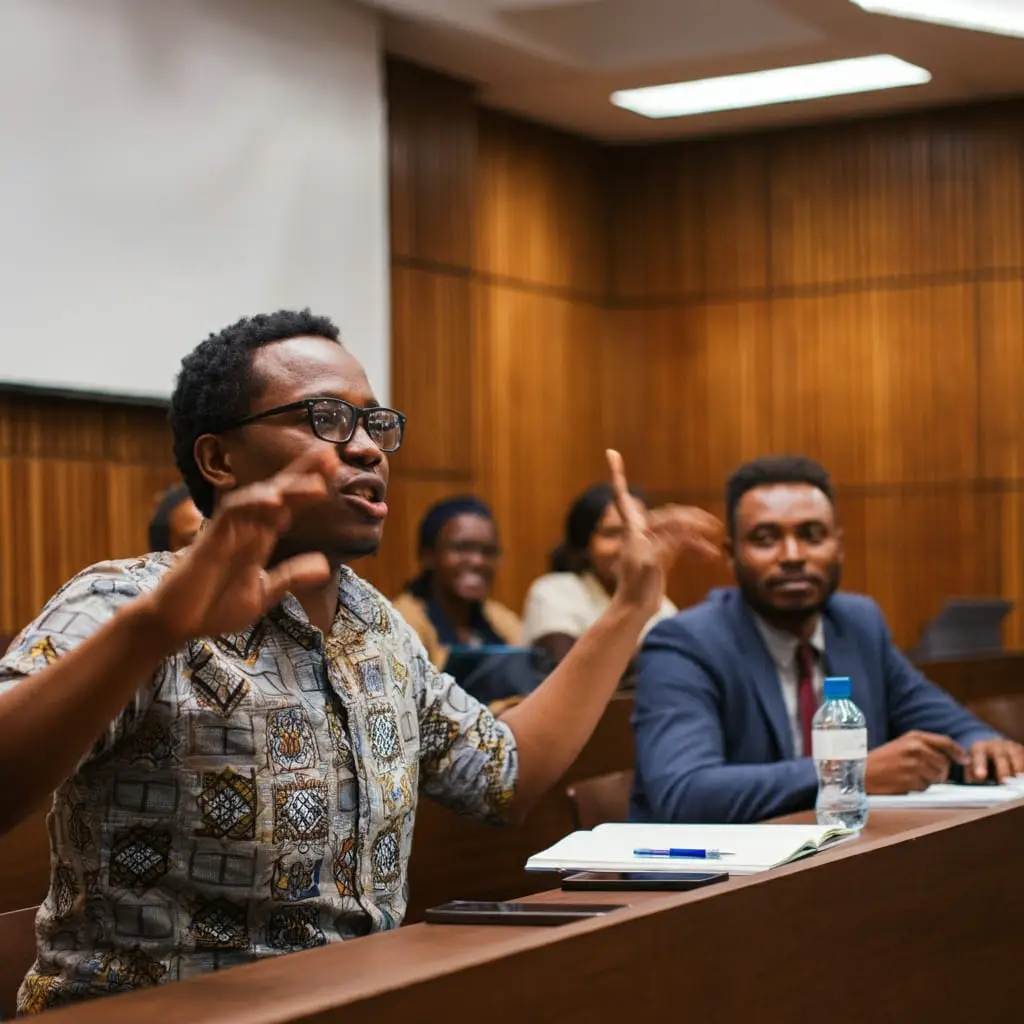
This pioneering event brought together scholars, practitioners, and thought leaders to discuss pressing issues in the realm of Alternative Dispute Resolution (ADR), focusing on innovative research and practical applications. I had the privilege of presenting my paper, “Assessment of the Impact of Court Procedural Rules in the Implementation of the Court Annexed Mediation Programme (CAMP) in Kenya.” This research critically examined how institutional rules and procedures shape the efficacy of the CAMP—itself a significant initiative aimed at alleviating congestion in Kenyan courts by encouraging mediation as a viable alternative to litigation.
The session was enlightening, drawing on insightful critiques and perspectives from fellow academics and practitioners. We delved into the challenges posed by procedural rules and their implications for accessibility and fairness in mediation processes. One of the core revelations was the importance of aligning procedural frameworks with the goals of mediation, ensuring that they do not inadvertently stifle participation or the effectiveness of dispute resolution. Moreover, the colloquium underscored the essential role academia plays in the evolution of ADR. As we emphasize evidence-based research and interdisciplinary collaboration, scholars can facilitate the collection of data, analysis of trends, and the synthesis of best practices within ADR frameworks. The insights fostered in academic circles are essential for informing policymakers and practitioners, ultimately shaping the future landscape of dispute resolution in Kenya and beyond.
The panel discussions also highlighted the global shift towards mediation and other alternative mechanisms as legitimate strategies for resolving conflicts outside traditional judicial settings. Participants reflected on the need for ongoing research, policy development, and training for legal professionals to enhance their mediation skills and understand the nuances of procedural rules that can affect outcomes.
The 1st Annual SDRC Research Colloquium was more than just an academic event; it was a celebration of knowledge-sharing and a rallying call for all stakeholders in dispute resolution. I am excited to see how our collective efforts can foster a more efficient and equitable system for dispute resolution in Kenya as we continue to advocate for reforms grounded in robust academic research.